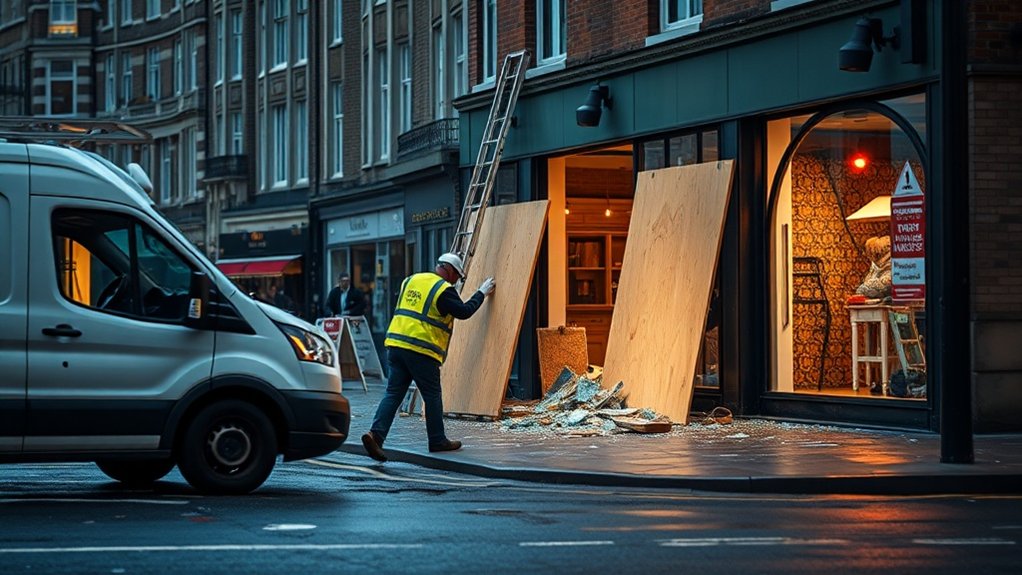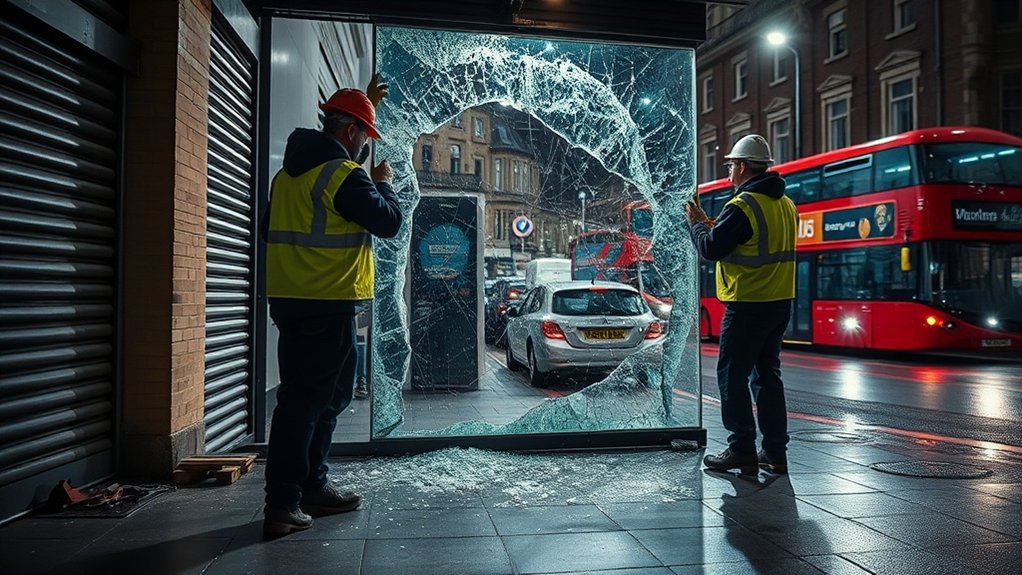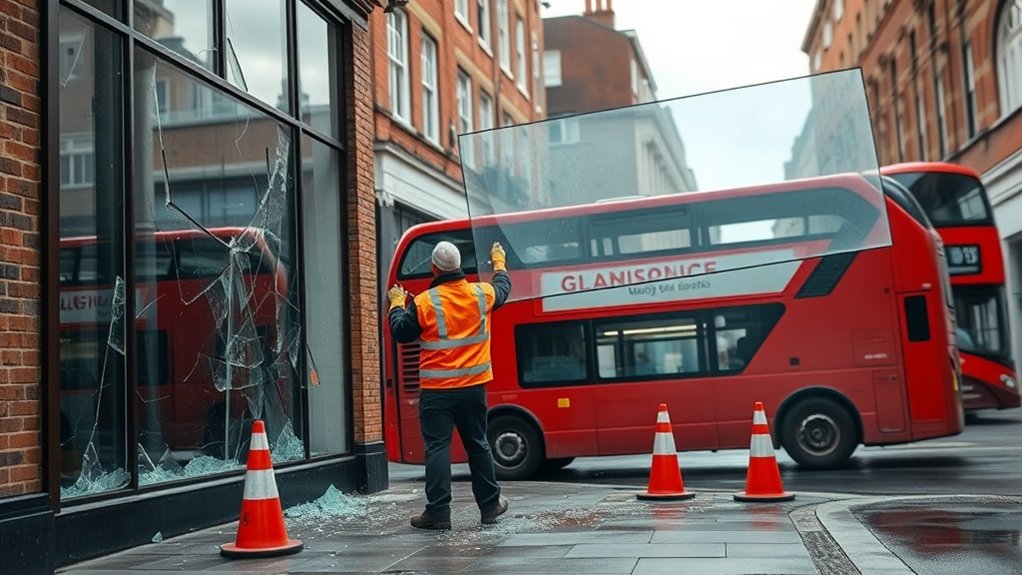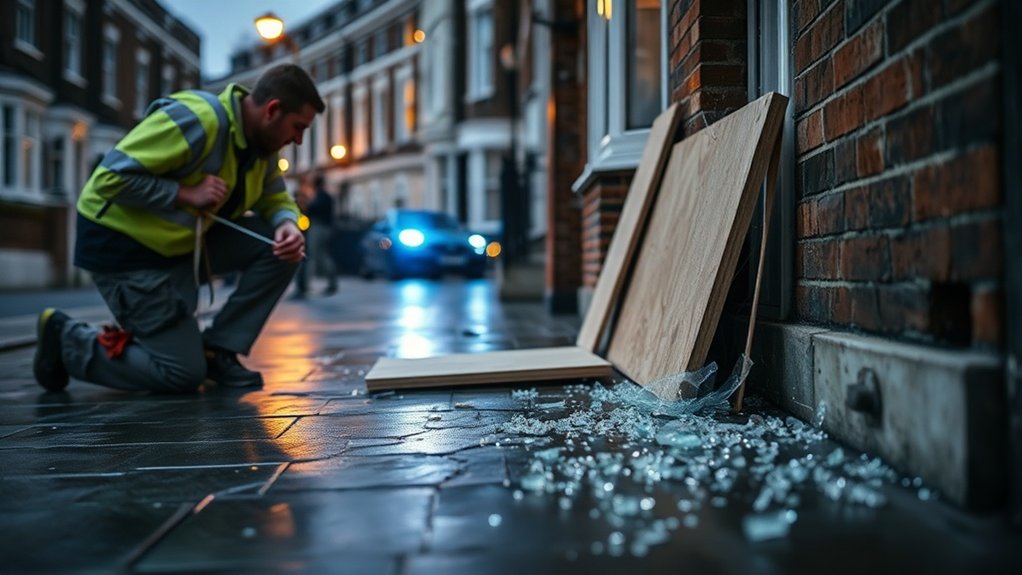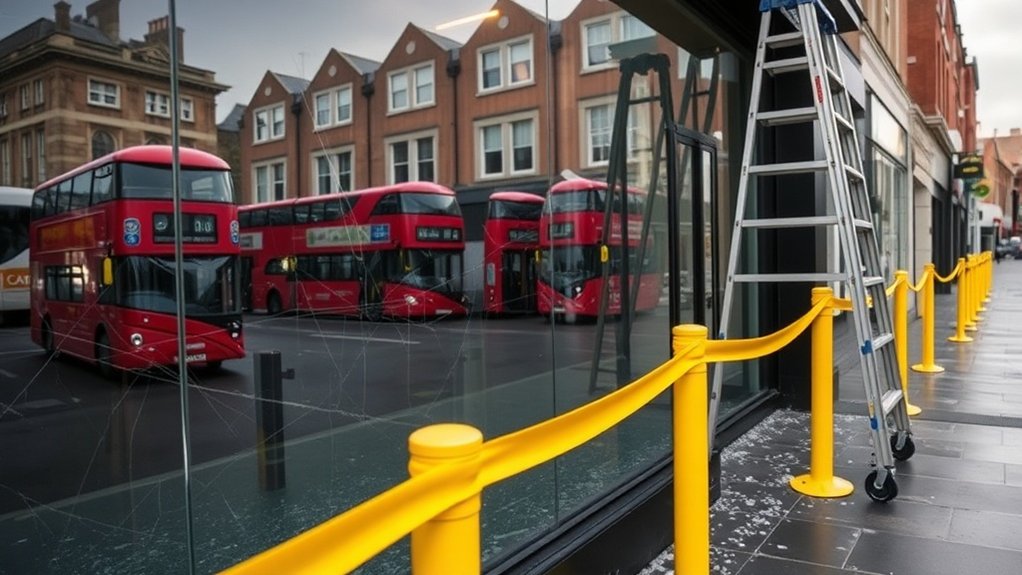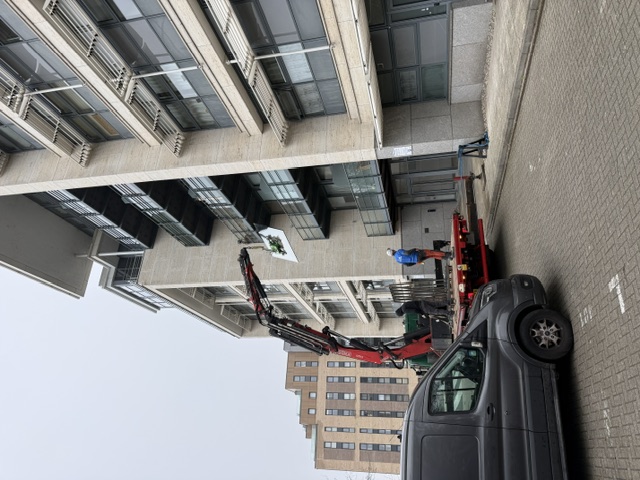
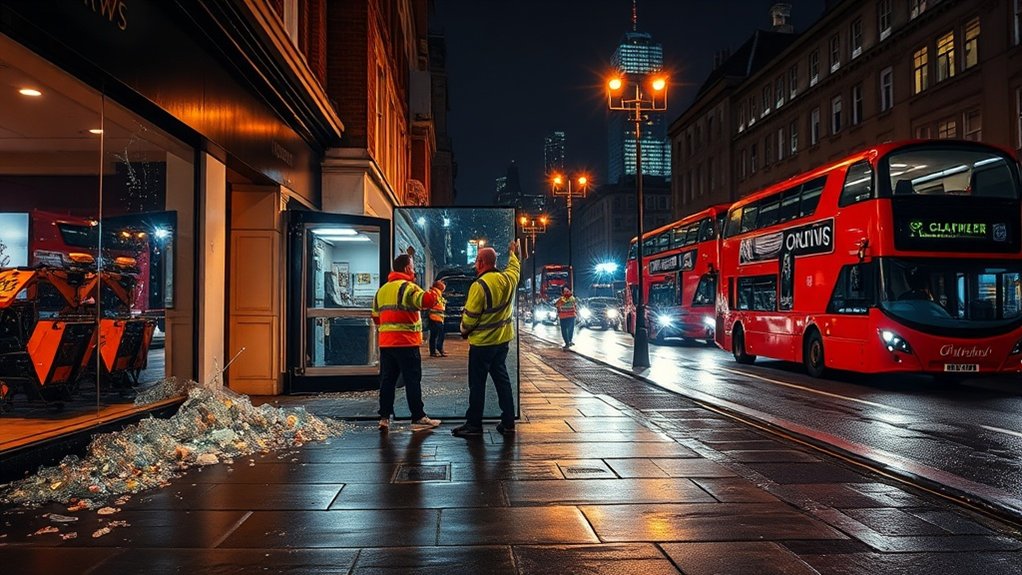
A broken window at eleven at night, a shopfront put through on a Saturday, a sash blown in by a gale: these are the jobs our emergency glazing team in Highams Park handles every week. We attend around the clock, make the opening safe, clear the glass, board up or fit temporary glazing, then measure for a compliant replacement in toughened, laminated, acoustic or energy-efficient glass. We also photograph and document the damage for your insurer and advise on upgrades that stop it happening again.
Key insights
- Emergency glazing in Highams Park is available 24 hours a day, with boarding-up or temporary glass to restore security and keep the weather out within hours.
- On arrival the glazier checks the frame and surrounding structure, clears loose shards, sets up a safe zone and measures the opening for the permanent unit.
- We cover accidental breakage, burglary and vandalism damage and storm failures, giving priority to shopfronts and openings on public streets.
- Replacement glass is toughened, laminated, acoustic or low-E to suit the frame and the British Standard that applies to its position.
- Price depends on glass type, pane size, access, heritage requirements and the time of the call-out, and is often covered by buildings or business insurance.
What Is Emergency Glazing in Highams Park?
Emergency glazing is the service you call when a window, door or shopfront breaks and cannot be left open to the street or the weather. In Highams Park, E4 it means a glazier attending quickly to make the opening safe, assess whether the frame is sound, protect the property with boards or temporary glass, and specify the right permanent replacement.
The housing and commercial stock in Highams Park runs from Victorian sashes to aluminium curtain walling, so the glazier measures on site, chooses a compliant glass type such as toughened, laminated, acoustic or low-E, and checks it will work with the existing frame, beads, seals and hardware.
The process is designed to be quick: immediate protection on the first visit, the replacement unit ordered to measure, then a return visit to fit it with the right thermal, safety and appearance characteristics, all to British Standards and any conservation rules that apply.
When Should You Call an Emergency Glazier?
Call as soon as a pane breaks and leaves sharp edges, loose fragments or a hole in the building. The same applies when a broken window or door means the property can no longer be locked, since an open aperture invites a second visit from whoever caused the first. After a storm, an emergency glazier stabilises cracked, shattered or displaced glazing before rain gets in, heat gets out and the damage spreads to the frame and surrounding fabric.
After Accidental Glass Breakage
A football through the patio door or a sash dropped on a hand is alarming at the time, but the question to answer is whether the damage creates an immediate safety, security or weather problem. If there are exposed shards, an unstable pane or an opening letting in rain or draughts, the answer is yes and a glazier should come out straight away. We cordon off the area, remove loose glass and fit boarding or safety glass on the first visit.
A breakage is also a chance to improve on what was there. Laminated safety glass in a low-level pane, an acoustic unit on a road-facing window or a low-E unit in a single-glazed frame all cost little more than like-for-like at this point. We recycle the broken glass, and we can discuss patterned, tinted or privacy glass where it suits the room.
When Security Is Compromised
A broken window is most urgent when it is the result of a break-in or an attempt at one. The moment an entry point has been forced, kicked or levered, the property is exposed and the emergency glazier is restoring a layer of security, not just replacing a pane.
We assess the risk on arrival, isolate the damaged area and fit boarding that is screwed into the frame or reveal to resist a second attack rather than simply covering the hole. The permanent replacement is then specified with security in mind: laminated or toughened glass, or a security-rated unit, fitted with internal beads and matched to locks and frames that hold up to force.
Following Severe Weather Damage
High winds, driving rain and hail crack panes, distort frames and occasionally blow whole units out of their openings. When that happens, the glazier should be the first call rather than the last, because broken glass in a storm brings structural stress, heat loss and water damage with it.
Call immediately if a pane is shattered or loose, edges are exposed, water is coming in or the frame is visibly flexing. Our 24-hour team will make the area safe, fit temporary boards and specify impact-resistant replacements.
The visit is also a good time to look at why the window failed. New seals, laminated or toughened units and better drainage in the frame reduce the chance of the same thing happening in the next storm, which in Highams Park is never far away.
How the Emergency Glazing Call-Out Works
When you call an emergency glazier in Highams Park, the response follows a set routine designed to secure the property as fast as possible. On the phone we ask for the basics: what has broken, roughly how big the opening is, what the frame is made of, where you are and anything unusual such as leaded lights, a listed building or glass above head height.
From that we make a quick risk judgement, deciding whether to stabilise, board or reglaze on the first visit, and tell you what materials we are bringing, what the safety steps are and the order of work.
On site, the team isolates the hazard, clears the loose shards and fits boarding or glass to the relevant British Standards. They record the condition of the opening, protect floors and finishes, and leave the frame ready for the permanent unit so the second visit is short.
Emergency Glazing Response Times in Highams Park
How fast a glazier reaches you in Highams Park, E4 depends on the time of day, where you are and how serious the risk is. Response is usually quickest in the densely built parts of town, where vans are already working nearby and the main routes are short.
We run a triage system. When you call, we weigh the danger to people, property and trading, then assign a response band with a time target. A smashed shopfront on a busy street or a ground-floor door that no longer locks goes to the top of the list.
The dispatcher also looks at what you need. If the job calls for laminated glass or secure boarding, it is matched to a van already carrying those materials, which avoids a trip back to the depot and shortens the time to arrival.
24-Hour Emergency Glazing in Highams Park: What to Expect
Speed is only useful if you know what will happen in the first few hours after you call. A proper 24-hour emergency glazing service assesses the risk at once, secures the opening and sets out both the interim fix and the permanent repair with clear performance targets.
Expect a quick set of questions about location, access, frame type and how exposed the property is, followed by a recommendation that balances security, cost and disruption. For a business, the glazier should also ask about anything else the breakage affects: alarm contacts, fire escape routes, server rooms or stock areas. Throughout, you should be told when the assessment happens, when the opening will be secure and when the permanent glass will be fitted.
What Emergency Glaziers Do on Arrival
The first task on arrival is a site assessment: is the frame sound, what are the hazards, and what glass does the opening need. The glazier then makes the damaged area safe and weathertight using boards, safety film or a temporary frame. Finally they measure the opening precisely so the replacement unit arrives at the right thickness, finish and performance rating.
Immediate Site Assessment
The glazier carries out a structured assessment to reduce risk and plan the quickest safe route to securing the property. That means looking at how the glass broke, checking the frame, beads and fixings, and measuring the damage with a torch and tape rather than guessing from the doorway.
They also think ahead to cleaning and maintenance, so tonight's fix does not cause a problem next month.
- Safety check: live hazards such as loose shards, glass at height and sharp edges are identified and a safe working area is set up.
- Frame diagnosis: frames, seals and fixings are tested to decide what stays and what has to be replaced.
- Glazing plan: the glass type and make-up are chosen to meet security, energy and regulatory requirements.
Securing Damaged Areas
Turning a broken window into a controlled work area starts with an exclusion zone: barriers and tape keep people away from the opening and from any cracked glass still in the frame. The loose shards are then removed with gloves, eye protection and the right tools so nothing else breaks and nobody is cut.
Rigid boarding or temporary glazing is fixed into the frame or the reveal so the property is secure and dry again quickly. While doing this, the glazier notes any defects that affect the long-term repair, such as impact marks, frame distortion or signs of thermal stress. The last step is a vacuum and magnet sweep so fine fragments are not left in carpets, tracks or shop floors.
Measuring For Replacement
Making the property safe comes first, but the glazier also takes the measurements for the permanent replacement on the same visit. Width, height, diagonals and the clearance needed are recorded so the new unit fits without being forced, which is what causes stress cracks later.
The frame, hardware and fixings are checked to decide what can stay, what should be upgraded and what needs replacing altogether, with the Building Regulations and your energy performance in mind.
- Glass thickness is calculated from the pane size, wind load, security needs and any acoustic requirement.
- System compatibility matches the measurements to a glazing system, beads and sealant that suit the frame.
- Future upgrades such as laminated security glass, low-E coatings or switchable glass are noted so they can be priced.
Boarding Up vs Same-Day Glass Replacement
With a broken window you decide quickly whether to board up or ask for same-day replacement. Boarding up gives an immediate physical barrier and is the right choice where the glass is unusual, the frame needs repair, or the property is listed and the replacement needs a conservation-led specification and a little time to source.
Same-day replacement restores light, security and insulation in one visit and causes the least disruption. It suits standard sizes and modern frames where a toughened or laminated unit can be cut and fitted the same day.
Whichever route you take, ask for broken glass to be recycled, fixings to be secure, the seal to be weathertight and a written note of what was done, so the emergency repair is safe, compliant and useful to your insurer.
Types of Glass Used in Emergency Glazing
Asking an emergency glazier for "new glass" is only the start; the replacement is chosen from a range of glass types made for safety, security and performance. We weigh impact resistance, durability, thermal behaviour and appearance so the new pane is at least as good as the one that failed, and usually better.
-
Toughened glass is heat-treated to be four to five times stronger than ordinary float and breaks into small blunt pieces, which is why it is used in doors, shopfronts and busy entrances.
-
Laminated safety glass bonds two or more panes with a PVB or EVA interlayer; it holds together when cracked, which improves security and cuts noise.
-
Specialist glass covers low-iron, low-E, tinted, obscure and wired or fire-rated glass, chosen for energy performance, fire integrity or privacy.
Emergency Glazing Costs in Highams Park
The choice between toughened, laminated and performance glass sets a large part of the cost of emergency glazing in Highams Park, but the glass is only one element. The price also covers the rapid attendance, the temporary securing, the measuring and the return visit to fit the permanent unit.
Pane size and access matter: a ground-floor casement is cheaper than a first-floor shop fascia that needs a tower. Period properties that need slimline double glazing, heritage putty or bespoke profiles cost more than standard units. Out-of-hours call-outs carry a premium because you are paying for speed.
You keep the bill sensible by using performance glass only where it earns its place, asking for low-E or low-iron selectively rather than everywhere, and insisting on an itemised quote that separates labour, materials and follow-up visits.
Using Insurance to Cover Emergency Glazing
A smashed shopfront or a blown-out sash is usually an insurance matter under your buildings, contents or commercial policy. Check that accidental damage, vandalism or storm damage is covered and what the excess is before authorising anything beyond the emergency securing, which most policies expect you to arrange at once.
Make the claim easy for the insurer to approve:
- Take time-stamped photographs of the damage, keep every invoice and write down what happened and when, so the loss can be verified without back-and-forth.
- Ring the claims line early, confirm any authorisation limit, the excess and the rules on temporary works, so no cost is rejected later.
- Ask whether the insurer has an online portal, same-day approval or direct settlement with the glazier, which reduces the cash you have to find up front.
Choosing a Reliable Emergency Glazier in Highams Park
With glass on the floor and an open window, you need a glazier who turns up fast, works to British Standards and records everything for insurance and compliance. Check that the firm is available 24 hours a day, ask what response time it commits to, and look for evidence of emergency work on similar Highams Park, E4 properties.
Confirm they fit certified safety glass, measure with proper tools and track jobs so you get an accurate quote, a record of when the work was done and photographs before and after. Ask how the emergency repair fits with longer-term maintenance or improvements, so the replacement matches the rest of the elevation, your shop branding or your plans for the room.
Technicians should be familiar with modern thermal and acoustic units as well as traditional putty glazing. Expect clear prices, a written scope and one person to deal with from first call to final sign-off.
Safety, Security and Legal Rules for Highams Park Glazing
Even with a competent glazier, every board-up and replacement in Highams Park has to meet the relevant safety, security and legal rules. That means Approved Document K for safety glazing in critical locations, Part L for energy performance of replacement units, and conservation or listed building controls where they apply. The glazier should specify laminated or toughened glass in the right places, secure fixings and hardware that resists forced entry.
- Risk analysis: impact risk, lines of sight from the street and escape routes are assessed before choosing laminated units, security films or other upgrades.
- Compliance check: glass type, thickness and framing are matched to current regulations and local planning rules.
- Documentation: written certification, warranties and installation records are kept to prove the work is safe and legal.
Emergency Glazing for Homes vs Business Premises
Homes and businesses have different priorities after a breakage, particularly around security, access and compliance. A commercial premises generally needs higher-specification glass, reinforced locking and the fastest possible response to protect stock, data and trading hours. At home the emphasis is on restoring security and warmth quickly, with technicians who can get in and out safely and without fuss.
Security Needs Comparison
Both homes and businesses depend on strong glazing, but their risk profiles differ and that changes how emergency glazing is specified. Burglary resistance, impact performance, privacy and the look of a period building all weigh differently, often alongside planning constraints and energy targets.
-
Homes usually need delay against intruders, protection for children around low-level glass and good insulation. Laminated safety glass with concealed fixings covers all three.
-
Street-facing shops need anti-smash, anti-grab glazing that still shows off the display. Toughened laminated units in secure frames stand up to repeated attacks.
-
High-risk sites such as jewellers, pharmacies and offices with sensitive data may need multi-laminate security glass, attack-resistant film and glass-break sensors linked to the alarm.
Response Time And Access
How quickly a glazier reaches the site, and how easily they can get to the broken pane, differs a great deal between a house and a commercial building, and it shapes how you plan for the gap between breakage and repair.
At a house, the glazier parks outside and can board up and measure within the hour. Frames are stabilised, seals checked and any follow-on work, such as solar film or privacy glass once the new unit is in, booked on the spot.
At business premises, upper floors, loading bays and security procedures slow things down. You need a provider with powered access equipment, a key-holder contact available at night and risk assessments and method statements ready to go, so the glazing is restored with the least lost trading and no compliance gaps.
What to Do Before the Glazier Arrives (Safety Steps)
A few sensible steps before the glazier arrives keep people safe, limit further damage and make the repair quicker. The aim is to stabilise the situation, not to attempt the repair yourself.
-
Keep people away. Move children, pets and anyone else out of the room, close internal doors and, if rain or condensation is reaching sockets or lights near the glass, switch off that circuit if it is safe to do so.
-
Deal with loose glass carefully. Wear thick gloves and shoes. Leave anything still held in the frame alone; pick up loose pieces with cardboard or a dustpan and put them in a sturdy box, not a bin bag.
-
Make a temporary cover. Tape plastic sheeting, cardboard or a piece of plywood to the frame, never to the glass, to keep out rain and draughts while leaving the opening accessible for the glazier.
Preventing Future Breakages and Break-Ins With Better Glazing
Once the emergency is over, better glazing choices cut the chance of another breakage or a successful break-in. The starting point is laminated safety glass, which resists impact, holds together when struck and makes forced entry slow and noisy.
Frames come next. Aluminium or steel-reinforced uPVC frames properly fixed into the masonry stop an intruder levering the whole unit out. Multi-point locks and key-locking window handles close the usual attack routes.
For higher-risk openings, combine laminated units with internal glazing beads, anti-shatter film and alarm contacts built into the frame. Together the layers deter opportunists and make the building far more resilient.
Related work we take on includes 24 hour glazier.
Frequently Asked Questions
Can Emergency Glaziers Work on Listed or Conservation-Area Highams Park Properties?
Yes, with care. Making a listed building safe and weathertight after a breakage does not need consent, so boarding up can happen immediately. The permanent repair is where the rules bite: glass in a listed window should normally be replaced like for like, often with drawn or cylinder glass and linseed putty, and any change such as slimline double glazing may need Listed Building Consent. We photograph and record every step, check with the conservation officer where needed and keep fixings reversible, so you get fast protection and a compliant repair.
Do Emergency Glazing Fixes Affect My Existing FENSA or Building Regulation Compliance?
Not if the repair matches the original performance. Replacing a single pane or sealed unit in an existing frame is a repair, not a replacement window, so it does not need a new FENSA notification, provided the new glass meets the same U-value, safety glazing and ventilation standards as before. If the whole frame is replaced, that is notifiable work and must be certified. Keep the glazier's paperwork for both temporary and permanent fixes, and ask for written confirmation that the glass used is compliant, so your certification trail stays intact.
Can Landlords Recharge Emergency Glazing Costs to Tenants Under Typical Highams Park Tenancy Agreements?
Only where the tenancy agreement makes the tenant responsible for the damage or where the breakage was clearly caused by the tenant or their visitors. Accidental damage and third-party vandalism normally fall to the landlord, whose buildings policy usually covers it subject to the excess. Many agreements in Highams Park contain specific clauses on glass, so read yours before raising the subject. Record the incident with photographs, note what the tenancy agreement says and agree a fair split in writing if the cause is disputed.
Are There Eco-Friendly or Recycled Glass Options Available for Emergency Glazing in Highams Park, E4?
Yes, although what is on the van at midnight is limited. Float glass is already made with a share of recycled cullet, and the broken glass we remove goes back for recycling. For the permanent unit you can ask for laminated safety glass with recycled content, low-E or low-iron glass to improve efficiency, and responsibly sourced timber or recycled aluminium frames. Mention it when you call so the replacement is specified that way, and ask for U-value and embodied carbon data if you need it for a building audit.
How Does Emergency Glazing Interact With Smart Home Security Systems and Alarms?
A good glazier works around your security system rather than through it. Temporary boards and replacement units are fitted so that door and window contacts, magnets and glass-break sensors stay in place and keep working. Before leaving, the technician tests each contact, checks that motion detectors still see the room and confirms the hub or monitoring service still receives signals. If a sensor has to move, a low-profile replacement is fitted so your automations, notifications and monitoring continue without a gap.
Summary
"It can wait until morning" is a theory that does not survive a second break-in or a night of rain through an open sash. Unsecured glazing in Highams Park raises the risk of repeat burglary, water damage and injury, which is why insurers expect it to be dealt with at once. A 24-hour emergency glazier makes the opening safe, fits compliant glass with secure fixings and documents the work for your claim. If you have a broken window or door, call us now and we will be on our way.